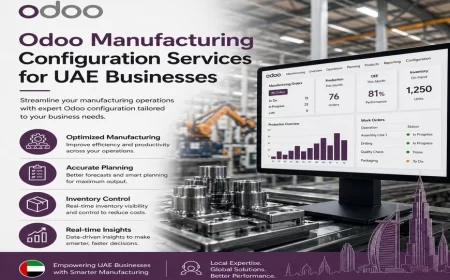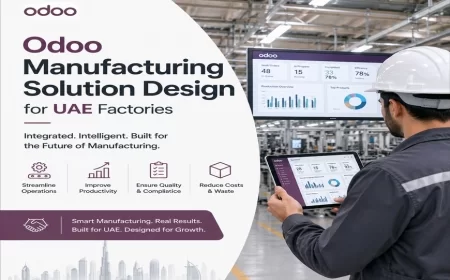
Odoo ERP Training & Change Management for the UAE Business Sectors
Deliver Odoo ERP Training and change management to improve user adoption, reduce errors, and stabilize operations across UAE manufacturing teams.
 RIbsadmin
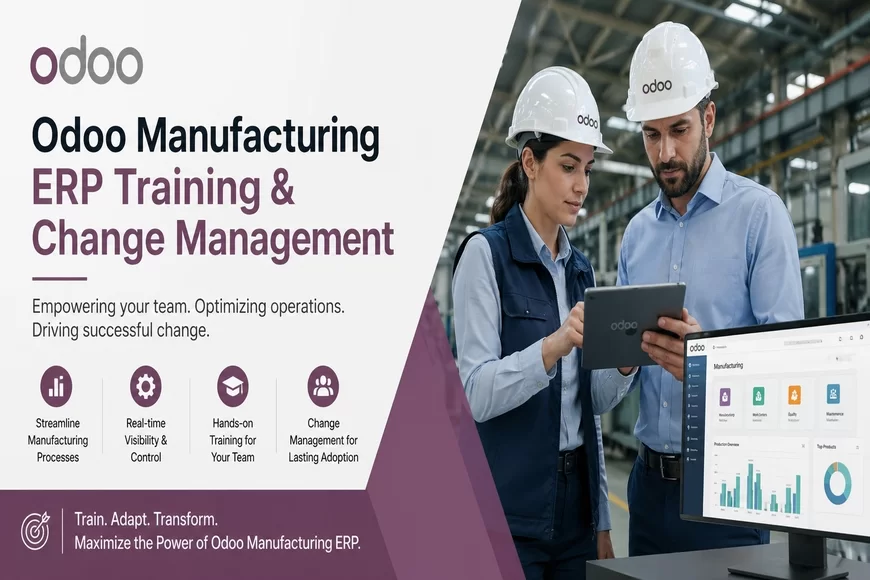
Odoo Manufacturing ERP Training & Change Management
Because systems don’t fail—adoption does
ERP success is not defined at go-live. It is defined one week later, when real pressure hits—rush orders, delays, quality issues, and approvals waiting. Without structured training and change management, even the best system becomes underused, bypassed, or misunderstood.
Odoo Manufacturing ERP delivers value only when teams follow it consistently. Training and change management ensure the system becomes the default way of working—not an optional tool.
For manufacturers in Dubai, Abu Dhabi, and Sharjah, the goal is clear: build confidence early, reinforce behavior daily, and protect adoption under pressure.
What Training & Change Management Actually Solve
From “learning screens” to “executing with clarity”
Most ERP failures are not technical—they are behavioral. Teams revert to old habits when workflows feel unfamiliar or unclear. Structured enablement converts system logic into practical execution discipline.
What organizations gain
- Role clarity: users know exactly what to do, when, and why
- Process consistency: reduced dependency on memory and informal coordination
- Faster adoption: teams reach confidence quicker with guided workflows
- Reliable data: correct usage leads to meaningful reporting and decisions
- Lower resistance: change feels controlled, not forced
High-Intent CTA (UAE)
Adoption is not automatic—design it deliberately
- Plan role-based training: align workflows with real responsibilities: /contact/book-demo/
- Structure change rollout: reduce resistance and confusion early: /contact/request-quote/
Why Training & Change Management Matter in Manufacturing
Because pressure exposes weak adoption instantly
Factories operate in real time. If users hesitate, bypass steps, or delay updates, the impact is immediate—production slows, inventory becomes unreliable, and decisions lose accuracy.
Adoption matters more than software purchase
- Finance & accounting: invoicing discipline and reporting confidence with Odoo Finance Process Applications
- Sales operations: pipeline clarity and order consistency with Odoo Sales Applications
- Supply chain: procurement and inventory accuracy with Odoo Supply Chain Applications
- HR & governance: standardised workflows and approvals with Odoo Human Resources Applications
- Services & delivery: accountability for projects and services using Odoo Services Applications
- Productivity & approvals: enforce ownership with Odoo Productivity Applications
Training Structure (Role-Based Enablement)
Teach execution, not navigation
- Shop-floor users: work orders, barcode actions, real-time updates
- Warehouse teams: receiving, picking, traceability discipline
- Quality teams: inspections, alerts, and evidence capture
- Maintenance teams: preventive workflows and downtime logging
- Finance & management: reporting, costing signals, decision dashboards
Each role is trained on what they must execute daily—not unnecessary system features.
Change Management Approach (Controlled Transition)
Replace habits without disrupting operations
Change is accepted when it feels structured, predictable, and supported—not abrupt.
- Early alignment: define workflows, roles, and expectations clearly
- Process communication: explain “why” behind each step
- Guided adoption: phased rollout to reduce overload
- Usage monitoring: track adoption gaps and correct early
- Reinforcement cycles: continuous coaching until habits stabilize
Integration with Implementation Phases
Training is not an event—it is a sequence
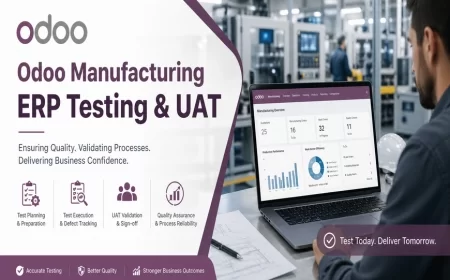
- During UAT: users validate workflows through real scenarios
- Pre go-live: focused role-based training aligned to responsibilities
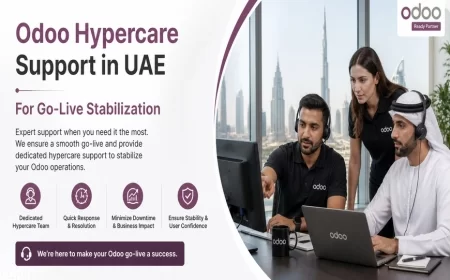
- Post go-live (hypercare): hands-on support under real conditions
- Stabilization phase: refine usage patterns and close adoption gaps
Adoption Risks Without Structured Training
What typically goes wrong
- Users bypass workflows and return to spreadsheets
- Incorrect data entry reduces reporting accuracy
- Delays increase due to unclear responsibilities
- System confidence drops, reducing long-term ROI
Training and change management exist to prevent these silent failures.
Why RIBS Technologies
Because adoption must hold under pressure—not just in training sessions
RIBS Technologies is an ISO 9001:2015-certified software development company with UAE presence, delivering ERP programs built around real usage, not theoretical training.
- Role-based training design: aligned to factory execution realities
- Controlled change rollout: reduces resistance and confusion
- Practical enablement: focus on daily workflows, not system overload
- Adoption monitoring: early detection of gaps and corrective action
CTA Block - Odoo Manufacturing ERP Training & Change Management
If users don’t adopt the system, the system doesn’t exist
- Book a demo: Request Demo
- We are the certified: Odoo ERP Partner
- To know more: About RIBS
- Customers who got benified by us: Clients
FAQs - Odoo Manufacturing ERP Training & Change Management
Q1: When should ERP training start during implementation?
A: Training typically begins during UAT and continues through go-live and hypercare to ensure users learn through real scenarios, not theory.
Q2: Why is role-based training important in manufacturing ERP?
A: It ensures users focus only on their responsibilities, reducing confusion and improving execution accuracy.
Q3: How does change management reduce resistance?
A: By clearly explaining workflows, expectations, and benefits, users adapt faster with less disruption.
Q4: What happens if ERP training is not structured?
A: Users may revert to manual processes, reducing system usage and impacting data reliability.
Q5: Is training required after go-live?
A: Yes. Post go-live support reinforces correct usage and stabilizes adoption under real operational pressure.